A prize label tells you the name. What else can you learn?
Read a fictional reward label for the item, earning rule and missing details. Leave frequency and eligibility open when the screen gives no answer.
Read a fictional reward label for the item, earning rule and missing details. Leave frequency and eligibility open when the screen gives no answer.
Compare a practice turn timer with an offer countdown. Check what happens at zero, and give learners a version they can examine without rushing.
Turn a loaded question into an observation prompt. Offer simple ways for players to name what they saw without sharing personal purchases.
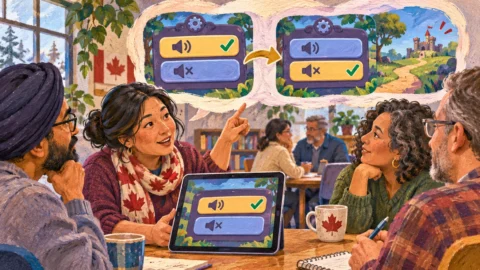
Check a practice settings panel before touching it. Identify the default, the alternative, and the place where the game confirms a change.
Read two panels in a fictional play activity. Identify which one explains the round and which invites a separate action.
Keep a short class record with the screen, observation and follow-up question. Use group-level notes that do not collect anyone’s personal play history.
Read a fictional tutorial for the available items, when a draw happens and what replaces the item afterward. Keep any unknown draw rule visible.
Pause a practice activity when the next screen looks like a checkout. Check which steps are needed and prepare a simpler route for the group.
Use two classroom bags to compare one special shape out of four with two out of four. Return each token and distinguish the setup from the observed results.
Turn a conversation about timers, rewards or an optional shop into a simple agreement for the next play session. Decide when to check it again.